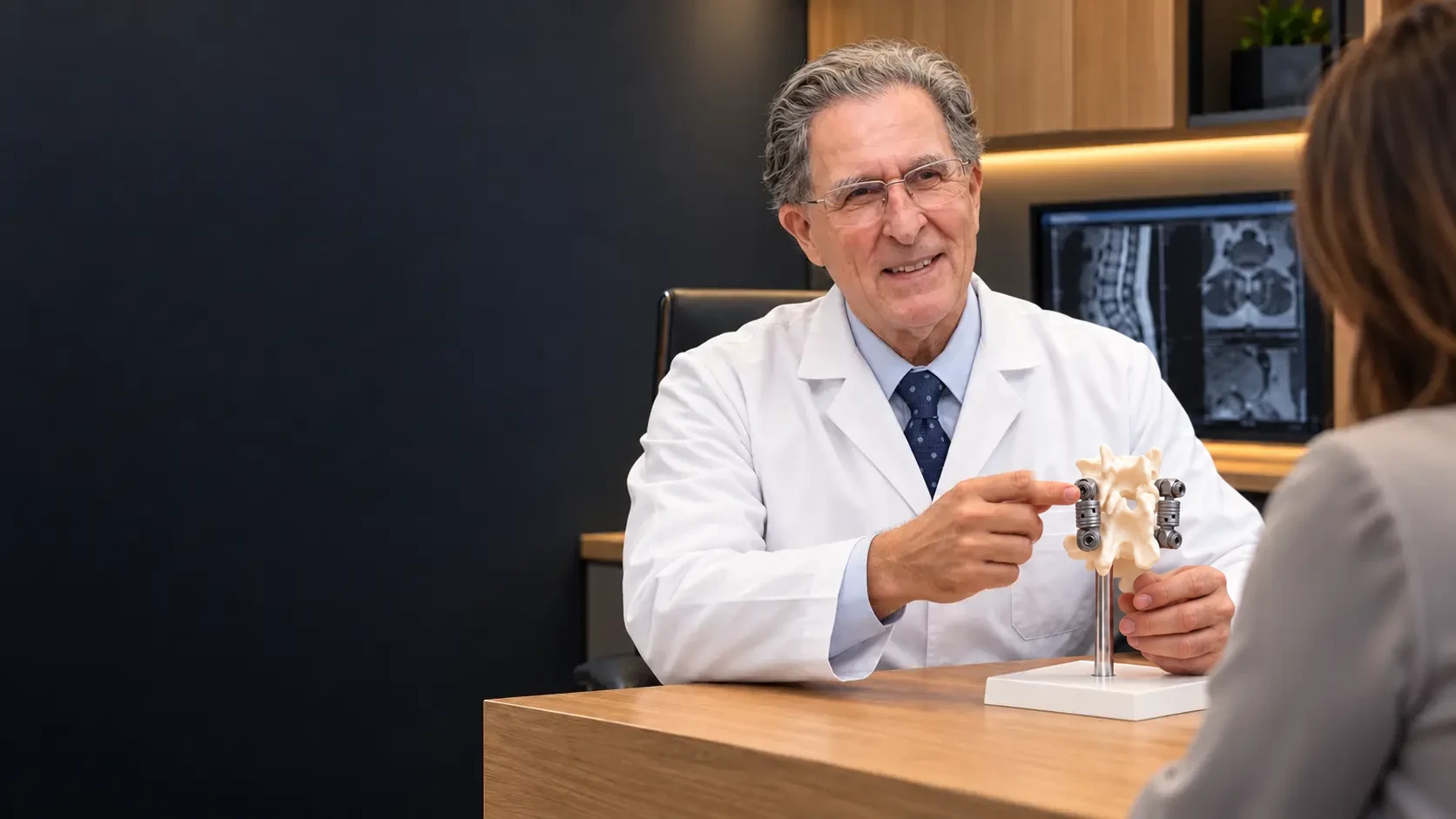
Stability with movement
Flexible constructs share load with the spine rather than eliminating motion — support without rigidity.
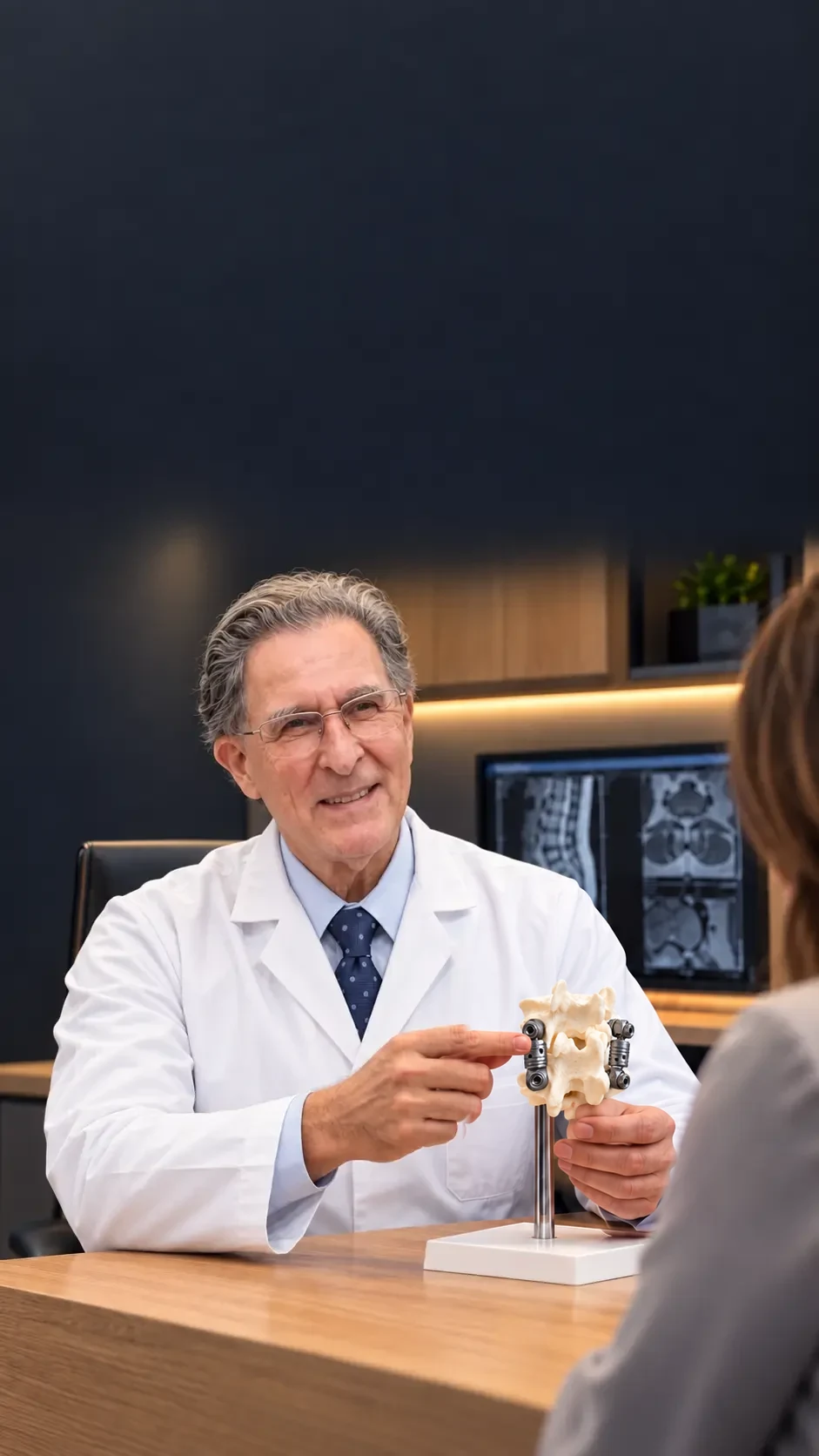
Treatments · Motion Preservation
A motion-preserving alternative approached from the back of the spine, stabilising without rigid fusion.
What it is
Flexible constructs share load with the spine rather than eliminating motion — support without rigidity.
Placed from the back, it suits levels and pathologies where an anterior disc replacement is not the answer.
By unloading rather than locking the segment, it protects the small posterior joints instead of bypassing them.
For spines needing more than pain therapy but less than rigid stabilisation, it fills the middle ground.
What to expect
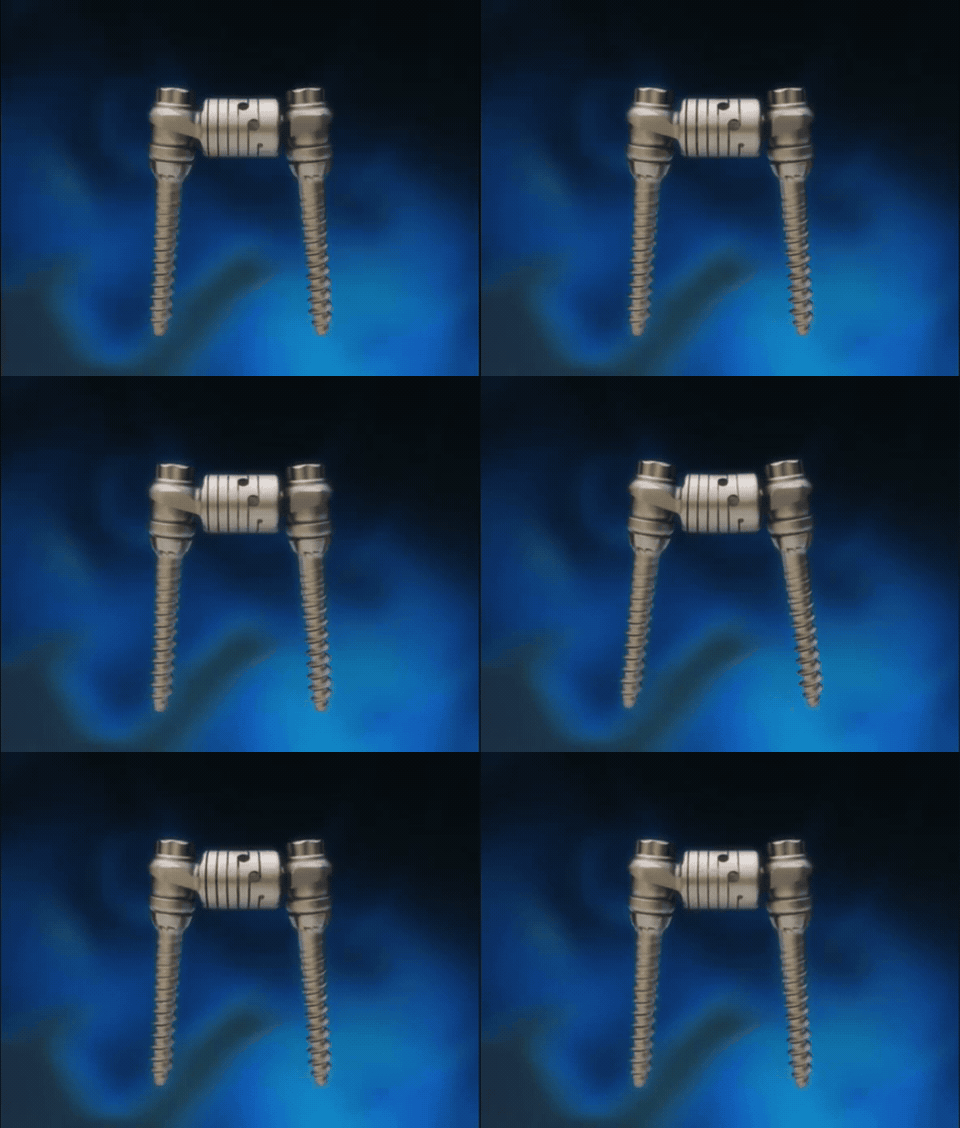
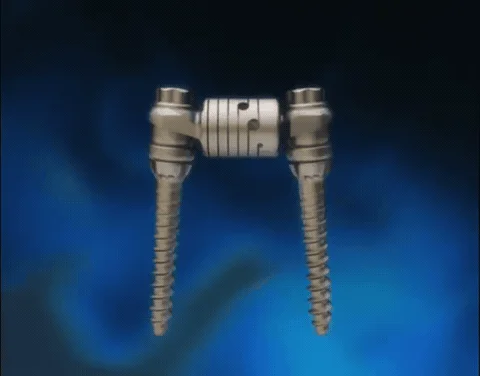
Screw-based anchors connected by flexible elements, positioned under imaging to match your anatomy.
The construct is tested through range before closure — supported, but moving.
Structured rehabilitation rebuilds the muscles that share the load long-term. Report fever, worsening pain or new neurology promptly.
Common questions
Fusion eliminates motion at the level; dynamic stabilization controls excessive motion while preserving it. Stability with movement, not instead of it.
Disc replacement works from the front and replaces the disc; dynamic stabilization works from behind and supports the segment. Different doors for different problems.
Hardware loosening or breakage, infection and bleeding are the general considerations; persistent pain despite correct placement is possible, which is why selection matters most.
Patients with instability or load-related pain whose facets, alignment and bone suit support rather than locking — your scan and examination decide.
Free · No obligation · Reviewed by the ProSpine team